
Turning end-of-line stock into cash, not landfill
Surplus stock is working capital in a box. The EU has now banned large companies from destroying unsold clothes and shoes, which makes a recovery plan a requirement as well as good sense.
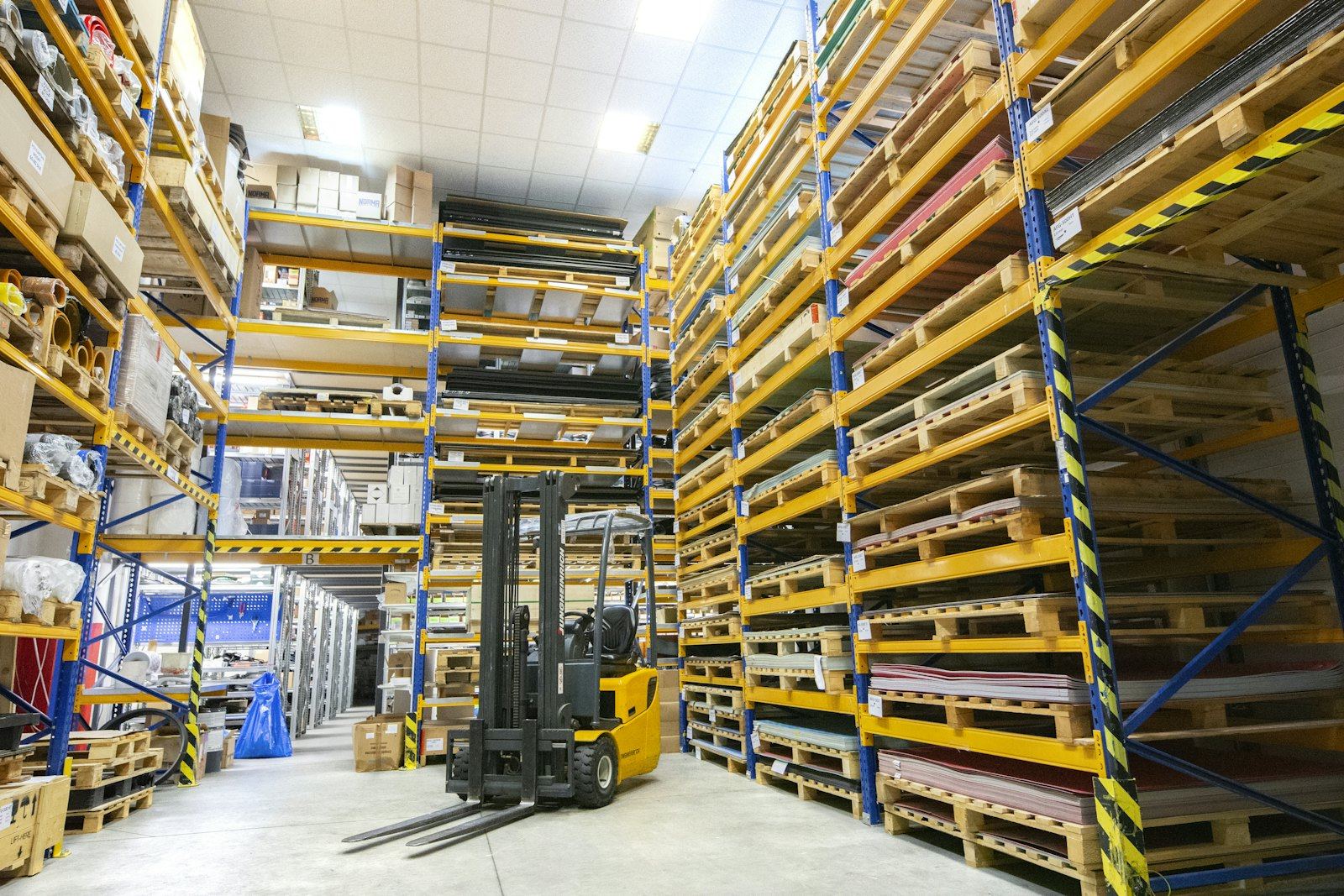
End-of-line stock tends to be managed as an embarrassment. It sits at the back of the warehouse, it gets marked down twice, and eventually someone signs off a write-off and a disposal ticket. By then the cash is long gone, and the business has paid storage on it for months.
The better way to look at it is as inventory with a falling value curve. Every week it stays put, the recoverable price drops, and holding costs go up. The decision is less about whether to clear it than how quickly, through which channel, and at what net recovery.
What changed in July 2026
On 9 February 2026 the European Commission adopted the detailed rules behind a measure in the Ecodesign for Sustainable Products Regulation (ESPR): a ban on destroying unsold apparel, clothing accessories and footwear. The ban and its exemptions apply to large companies from 19 July 2026. Medium-sized companies are expected to follow in 2030. Small and micro businesses are outside it for now.
Large here means 250 or more employees and turnover above €50 million. The rule applies to economic operators placing these products on the EU market, so UK businesses with EU sales or EU entities should get a clear legal view of whether they are in scope.
However, a few details catch people out.
Destruction is defined widely: it covers deliberately discarding unsold goods as waste, which includes sending them for recycling or energy recovery, not only shredding or incineration. "We recycle it" is not a defence on its own.
The exemptions are narrow and need evidence. The final delegated act allows destruction for reasons such as product safety, intellectual property infringement and physical damage, but for damaged goods a business must first consider repair and refurbishment. There is a last-resort route where donation has failed, which requires offering the goods to at least three social economy organisations in the EU. Records must be kept for five years.
Disclosure is an important one: large companies must already disclose volumes of unsold consumer products they discard, and a standardised format applies from February 2027. Expect those numbers to be seen by customers, investors and journalists.
The European Commission estimates that 4 to 9% of unsold textiles in Europe are destroyed each year, generating around 5.6 million tonnes of CO2 emissions. It cites around €630 million of unsold products destroyed in France each year, and nearly 20 million returned items discarded annually in Germany.
The UK position
While the ESPR ban is a law in the EU, in England and Wales, anyone producing waste must take reasonable measures to apply the waste hierarchy, which puts preparing for re-use ahead of recycling and both ahead of disposal. We need to treat the EU rule as the direction of travel and design process to meet it everywhere. Running one standard is definitely cheaper and more effective than aligning with two.
A recovery order that protects cash
Working through the following points in sequence, and deciding each line's route as early in its life as possible can help in the journey.
Prevent it first. The cheapest surplus is the one you never bought. Feed end-of-line volumes back into range planning and S&OP so buying teams see the cost of over-ordering by product family, not as a single write-off line.
Sell it in your own channels while it still has full value. An outlet, a "last chance" page or a members' sale keeps margin and keeps the customer.
Move it to secondary markets before the season turns. Off-price retailers, marketplaces, B2B buyers and export markets can take volume quickly. Protect the brand with clear rules on where stock can go, and keep the contract terms that stop it being dumped back into your main market.
Rework or refurbish where the uplift covers the labour. Relabelling, repackaging, minor repair or bundling can turn unsellable stock into sellable stock.
Donate what you genuinely can't sell, through organisations that can document what happened to it. Under ESPR, donated products are not counted as destroyed.
Recycle only what is left, and be able to show why it could not go higher.
A simple illustration
The figures here are illustrative. Suppose a retailer holds £400,000 of end-of-line stock at cost. Cleared through own channels and off-price buyers within eight weeks, it might recover 45% of cost, or £180,000, and free up warehouse space. Left for six months and then sold to a jobber, it might fetch 15%, or £60,000, after another two markdown rounds and storage fees. The difference is £120,000 of cash, before counting the disposal costs avoided and the EU compliance risk removed. The real rates will depend on category, brand strength and season, which is why it pays to test channels with one product family first.
What usually slows this down is approvals rather than buyers. Commercial teams hold out for a better price, finance waits for the year-end write-off, and the stock ages. Set a time-based rule, for example a channel change at fixed weeks after end of season, and give one person the authority to act on it.
Second Tide runs excess stock recovery from grading through to resale and donation routes, and BankStreet Partners can release the cash tied up in slow inventory on a fee paid from cash released.
- European Commission: New EU rules to stop the destruction of unsold clothes and shoes
- European Commission Transition Pathways: New EU rules to stop destruction of unsold clothes and shoes
- Linklaters Sustainable Futures: EU ESPR, Commission adopts final acts on unsold consumer product destruction
- Anthesis: ESPR, the ban on destruction of unsold goods
- legislation.gov.uk: The Waste (England and Wales) Regulations 2011, Part 5
More from Second Tide.

What returns really cost: a worked example
The return label is the cost everyone sees. Handling, refunds, markdowns and write-offs are the costs that quietly take the margin. Here is how to add them up.
Read the article →
Why "sustainable" is no longer enough
Doing less harm was the old brief. Regulation, customers and cost now reward businesses that put value and materials back, and mid-sized firms are not only well placed to do it but are central to creating a more sustainable world.
Read the article →
Packaging EPR: what it costs and how to cut it
UK packaging EPR is now a real invoice that rises with poor design. Here is how the fees work, what changes from Year 2, and where the savings are.
Read the article →Follow us on LinkedIn.
Occasional insights from Second Tide. New articles, tools and what we are seeing across supply chains go on LinkedIn first.