
Packaging EPR: what it costs and how to cut it
UK packaging EPR is now a real invoice that rises with poor design. Here is how the fees work, what changes from Year 2, and where the savings are.
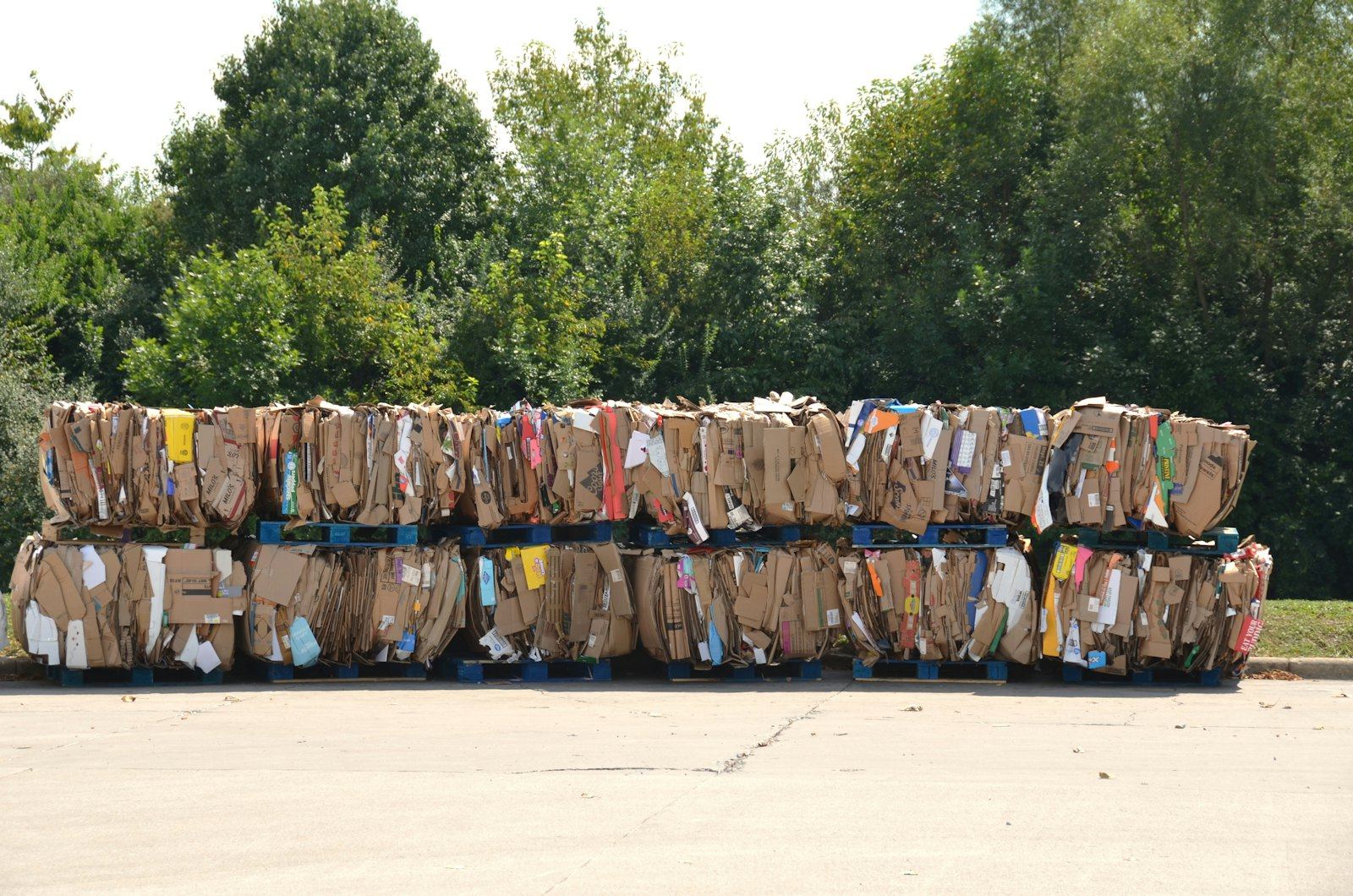
Packaging extended producer responsibility (pEPR) stopped being a consultation topic in October 2025, when PackUK issued the first notices of liability. Producers had 50 calendar days to pay, with an option to pay by instalments. Across the scheme, producers were invoiced £1.46 billion for Year 1, against the £1.523 billion PackUK needed, leaving a £63 million shortfall. PackUK's operational plan for 2026 to 2027 forecasts total fee recovery of about £1.56 billion.
If your finance team still treats this as a compliance overhead, it is worth reframing. The fee is driven by tonnage, material and, from Year 2, how recyclable your packaging is. All three are design and buying decisions.
Who pays and for what
You are a large producer if your turnover is above £2 million and you handle more than 50 tonnes of packaging a year. Large producers pay waste disposal fees, and still have recycling obligations met through PRNs or PERNs.
The disposal fees apply only to household packaging, commonly binned packaging and household glass drinks containers. Transit packaging that never reaches a household bin is outside the fee, which is why getting the household and non-household split right is the cheapest saving most businesses have.
The fees run on a lag. Year 1 (2025 to 2026) used packaging placed on the market in 2024. Year 2 (2026 to 2027) uses 2025 data.
The rates
Year 1 base fees, confirmed in June 2025, in pounds per tonne:
- Aluminium 266
- Fibre-based composite 461
- Glass 192
- Paper and card 196
- Plastic 423
- Steel 259
- Wood 280
- Other 259
For Year 2, PackUK published illustrative fees in December 2025 that introduce modulation through the Recyclability Assessment Methodology (RAM). Packaging is rated red, amber or green. Amber pays the base fee. Red pays a fixed multiple of it. Green gets a discount funded by the extra red revenue.
The illustrative Year 2 rates (green, amber, red, per tonne) include plastic at £415, £455 and £545, paper and board at £190, £210 and £250, and glass at £185, £205 and £245. Wood moved sharply, to £410, £450 and £540, which PackUK linked partly to a large fall in reported wood tonnage, as some material previously reported as wood is now reported under other categories.
The red multiplier is set to climb. It is 1.2 times amber in 2026 to 2027, 1.6 times in 2027 to 2028 and 2 times in 2028 to 2029. Packaging that cannot evidence an amber or green rating is reported as red by default.
A word of caution on timing. The illustrative page said confirmed Year 2 fees were expected in June 2026. In July 2026, PackUK said it would publish confirmed fees and issue notices of liability later in the calendar year, and its operational plan targets the initial Year 2 notice by the end of November 2026. At the time of writing, the confirmed Year 2 per-tonne rates were not yet published, so budget on the illustrative figures and update when PackUK confirms them.
A worked example (illustrative numbers)
Take a fictional homewares brand placing 120 tonnes of household plastic packaging and 300 tonnes of household paper and card on the market each year. These numbers are made up to show the mechanics.
On Year 1 base fees, the plastic costs 120 x £423 = £50,760 and the paper and card 300 x £196 = £58,800. Total: £109,560.
Now apply the illustrative Year 2 rates. Suppose the paper and card is green and the plastic, mostly black trays and multi-layer film, rates red.
- Plastic at red: 120 x £545 = £65,400
- Paper and card at green: 300 x £190 = £57,000
- Total: £122,400, up about £12,800 on Year 1
If the same brand redesigns its plastic to a green rating, the plastic line drops to 120 x £415 = £49,800. That is £15,600 a year less than red on the Year 2 numbers.
The gap widens from there. If amber stayed at £455 (it won't stay exactly there, but as a rough guide), the 2028 to 2029 red rate at twice amber would be £910 per tonne. On 120 tonnes, red would cost about £109,200 against roughly £49,800 for green. A redesign that looks marginal this year can pay back several times over within three fee years, before you count any saving from lighter packs.
Where the savings usually are
The order of attack matters more than the list. Roughly from cheapest to most involved:
- Fix the data. Check that transit and business-to-business packaging is not reported as household. Check material categories, especially anything that was classed as wood or "other". PackUK's resubmission window for 2025 data closed on 1 September 2026, and later resubmissions do not change the Year 2 notice, so build the checks into your reporting cycle for 2026 data.
- Collect RAM evidence. If you cannot show a rating, you pay red. Get specifications from suppliers for every household SKU and keep them, since producers must hold records for seven years.
- Take weight out. Every gram removed cuts fees at whatever rate applies, plus freight and material cost.
- Redesign red items. Prioritise by tonnage multiplied by the red-to-green gap. Mono-material plastics, removing problem components and switching formats are typical moves. RAM 2027 applies to packaging supplied from 1 January 2027, so check designs against that version.
- Consider take-back. RAM allows packaging to be rated amber with evidence of take-back collection and successful recycling, which can matter for formats with no kerbside route.
Ownership is the other thing that goes wrong. EPR sits between sustainability, packaging technologists, buying and finance, and often nobody owns the number. Give it to one person, with a target in pounds per tonne and a quarterly review.
For a UK-based wholesale convenience store supplier, switching a range of mixed-material packs to a single recyclable material gave the biggest saving per tonne, because it moved the packs into a lower EPR fee band and cut the material cost too. Getting it through buying, design and two suppliers took about nine months.
Why not try our free Sustainability Regulation Readiness Check to help size your exposure.
- GOV.UK: Extended producer responsibility for packaging, 2025 base fees
- GOV.UK: Year 2 illustrative waste disposal fees, extended producer responsibility for packaging
- GOV.UK: Extended producer responsibility for packaging, recycling obligations and waste disposal fees
- GOV.UK: PackUK operational plan 2026 to 2027
- GOV.UK: New resubmission deadline for 2025 packaging data
- letsrecycle.com: PackUK confirms shortfall as £63m, announces Year 2 recovery target
- Valpak: What you pay for, UK packaging EPR explained
- PPWR Connect: UK packaging EPR Year Two, the 1 October 2026 deadline and RAM 2027
More from Second Tide.

Resell, refurbish or recycle? Choosing the best route
Every returned or surplus item has a best next home. Picking it item by item, on recovery value and handling cost, is where the cash is.
Read the article →
Take-back schemes that pay for themselves
Most take-back schemes are run as marketing and lose money quietly. Built around recovery value, they can fund themselves. Five practical questions, answered.
Read the article →
Turning end-of-line stock into cash, not landfill
Surplus stock is working capital in a box. The EU has now banned large companies from destroying unsold clothes and shoes, which makes a recovery plan a requirement as well as good sense.
Read the article →Follow us on LinkedIn.
Occasional insights from Second Tide. New articles, tools and what we are seeing across supply chains go on LinkedIn first.