

Consumer goods: rising logistics costs and supplier risk
Freight, fuel, packaging and supplier finances have all worsened in 2026. What consumer goods leaders should be checking before the next price round.

Factory gate prices in the UK are rising at their fastest rate in more than three years. The ONS reported output producer price inflation of 4.6% in the year to September 2026, the highest since April 2023, with input prices up 8.3%. The biggest contributors were crude oil, up 51% on the year, and refined fuels, after the conflict in the Middle East that began in late February 2026 choked tanker traffic through the Strait of Hormuz.
For consumer goods businesses that shock arrives through several doors at once. Some of them are obvious. Others, particularly on the supplier side, tend to be noticed late.
The cost side
Start with getting goods to market. Logistics UK's annual cost guide, published in July 2026, reported diesel up 36%, vehicle operating costs up more than 12% and driver employment costs up almost 8% in the year to April 2026. Prime warehouse rents rose 13%. The ONS measured services prices for transportation and storage up 10.7% in the third quarter of 2026.
Hauliers are not in a position to absorb that. Logistics UK notes many operate on margins of 2 to 3%, and its chief executive, Ben Fletcher, said that "the only economically feasible way to manage these significant cost increases is to pass them on to their customers." Expect fuel surcharges and rate reviews, if you haven't had them already.
Packaging has moved too. Packaging Gateway reported in May 2026 that polyethylene and polypropylene prices had risen more than 30% since late February, with some producers declaring force majeure. On top of material costs sits the EPR fee. Letsrecycle reported a year two recovery target of £1.56 billion from producers, and Grocery Gazette reported plastic packaging charges due to rise 15%, citing Bank of England analysis that EPR adds around half a percentage point to food inflation.
Some relief may come as shipping normalises. Tankers began moving through Hormuz again in June, but Lloyd's Market Association cautioned that recovery depends on stability for shipowners and insurers and could take months. Planning on a quick return to 2025 freight and fuel costs would be optimistic.
The supplier side
Cost pressure on you is also cost pressure on your suppliers, and many of them have even thinner balance sheets.
Begbies Traynor's red flag research for the second quarter of 2026 counted 53,756 UK businesses in critical financial distress, up 9% on a year earlier, with increases in all but one of the 22 sectors it tracks. Food and drug retailers were up 18.4%. Its earlier report for the fourth quarter of 2025 showed critical distress up 43.8% year on year.
For a consumer goods business, the risk is less often a large supplier collapsing overnight. More commonly it is a small packaging converter, a co-packer or a regional haulier that quietly stretches payment terms, cuts maintenance, then fails at the worst moment, usually ahead of a seasonal peak. A procurement manager quoted by Packaging Gateway put it well: "availability is becoming as challenging as price."
Five things to do before the next price round
-
Rebuild cost to serve by customer and channel using current freight, fuel and packaging rates. Many businesses are still pricing on last year's logistics assumptions, so some accounts that look profitable no longer are.
-
Rank your suppliers by both spend and fragility. Single-source packaging and co-manufacturing usually top the list. For the most exposed, ask for financial information, check filing history and agree what happens if they can't supply.
-
Review fuel surcharge mechanisms in your carrier contracts. Indexed surcharges that reset monthly are fairer to both sides than ad hoc requests, and they make costs forecastable.
-
Put packaging weight and format on the agenda alongside price. With resin and EPR fees both rising, a lighter or mono-material pack can save in two places at once.
-
Hold a little more of the right stock. Blanket safety stock increases tie up cash. Targeted cover on single-source, long-lead or distressed-supplier items buys time without bloating the balance sheet.
None of these needs a long programme. Most can be done within a quarter, using data the business already holds.
Our free Resilience Stress Test shows which parts of your supply would hurt most if they failed, and the free Margin Diagnostic shows where margin is already under pressure.
- Office for National Statistics: Producer price inflation, UK: September 2026 including services, July to September 2026
- Logistics UK: Rising logistics costs risk fuelling inflationary pressures, warns Logistics UK
- Packaging Gateway: Strait of Hormuz crisis drives up plastic packaging costs
- Letsrecycle: PackUK confirms shortfall as £63m, announces year 2 recovery target
- Grocery Gazette: Grocery firms warn packaging levy will keep food prices under pressure
- World Oil: Hormuz reopening gains momentum as tankers resume transit
- Express and Star (PA): Number of UK firms in 'critical distress' increases by almost a tenth
- Begbies Traynor Group: Thousands of UK businesses at critical tipping point
More from Waterfront Ventures.

Public sector capital projects: building resilient supply chains
Contractor distress, volatile material prices, a crowded pipeline and new carbon rules are converging on public programmes. Practical steps for sponsors and commercial leads, stage by stage.
Read the article →
Why we built a supply chain group, not a consultancy
Advice is cheap to produce and expensive to act on. We built Waterfront so the people who design the change also carry it through.
Read the article →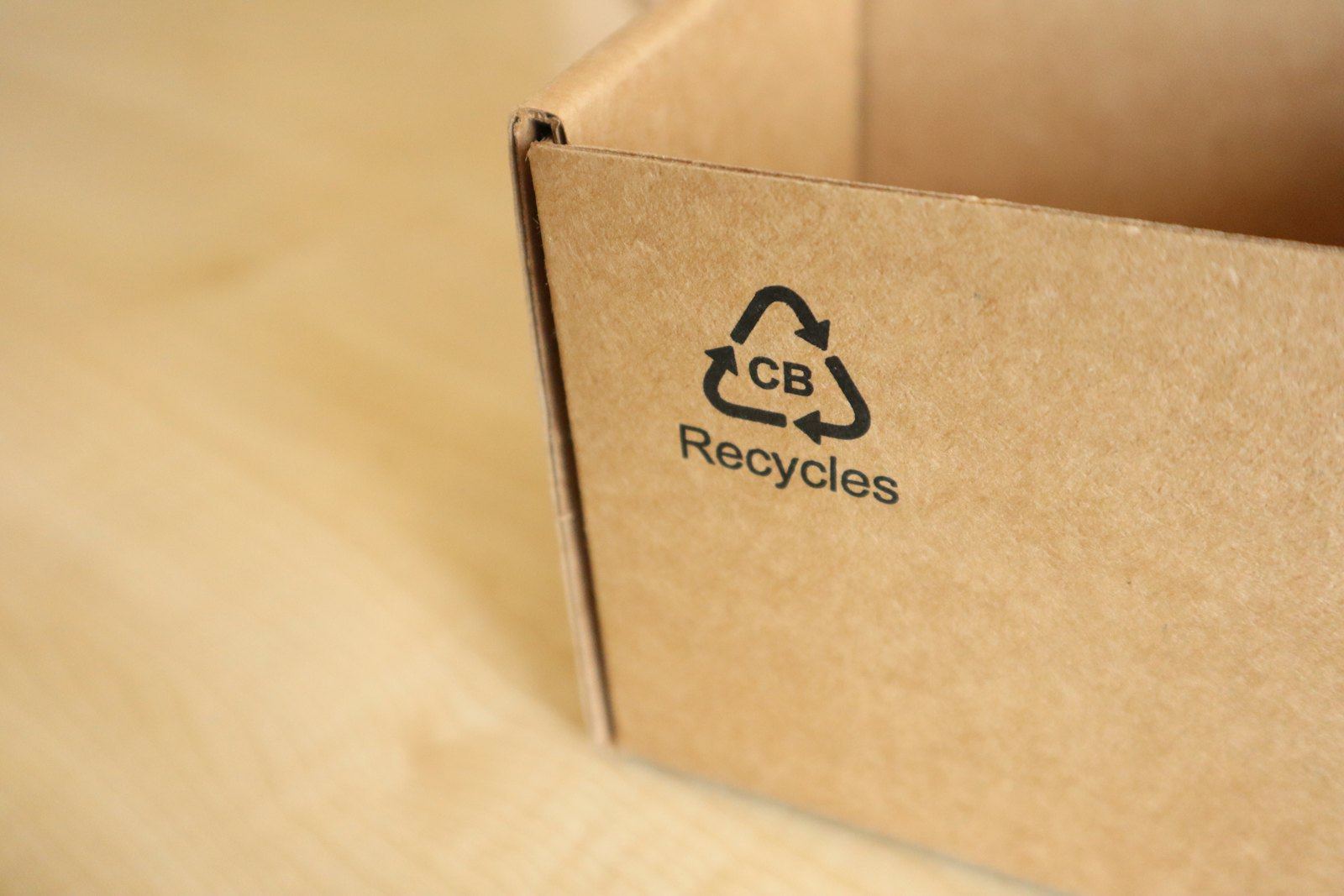
Profit and sustainability aren't trade-offs; they're design constraints
Treat carbon and waste the way you treat cost and service: as design principles and limits, set at the start and clearly priced in pounds.
Read the article →Follow us on LinkedIn.
Occasional insights from Waterfront Ventures. New articles, tools and what we are seeing across supply chains go on LinkedIn first.