

COP31, the first two days: climate policy is becoming an operating decision
The opening days in Antalya put energy security and cost ahead of new promises. What that means for mid-sized manufacturers, distributors and retailers.
The UN climate summit opened in Antalya, Türkiye, on 9 November 2026 and runs until 20 November, with Türkiye holding the current presidency and Australia leading the negotiations. Two days in, the tone already looks noticeably different from previous COPs. The talk is less on how fast the world can cut emissions, and more on how countries cut them while keeping energy secure and affordable.
That is an important shift for how this could impact mid-sized businesses. While ambition has never been the hard part of decarbonisation, finding the capital, the management time and a business case that survives a finance committee has been a totally different story. The good thing is that many conversations in Antalya are speaking directly to that problem.
Electrification is now an energy security argument
The presidency's headline initiative is the 35 by 35 Global Electrification Pledge. It aims to raise electricity's share of the world's final energy demand from just over 20% today to 35% by 2035. It is voluntary, and was first set out at the Bonn talks in June.
The scale is easy to underestimate. Down To Earth's analysis notes that the share would need to rise by about 1.2 percentage points a year, roughly four times the pace achieved since 2010. That means heavy investment in generation, grids, storage and electric equipment.
The case being made for it is largely commercial. At its launch, the presidency and the UN climate secretariat tied electrification to energy security and to lower spending on imported fuel, and after a year of oil-driven cost shocks that argument looks justified. For a manufacturer, process heat, on-site generation and power purchasing agreements become operating cost questions. Similarly for a logistics operation, a fleet switch depends less on whether an electric vehicle exists and more on charging access, utilisation and total cost of ownership over the vehicle's life.
No deal on fossil fuels, but a direction of travel
Brazil, which hosted COP30, published a voluntary roadmap for transitioning away from fossil fuels on 3 November and brought it to Antalya for discussion on 10 November. Brazilian officials have been clear that it is a call to action rather than a text for negotiation, and a new fossil fuel agreement at this summit looks unlikely. The roadmap asks every country to start planning its transition, while accepting that countries will move at different speeds and need different levels of support.
For businesses, no deal does not mean nothing will change. Energy prices, regulation and customer expectations will keep moving, just with less warning. A gas boiler, a diesel fleet or a warehouse bought this year will still be in use well over a decade from now, long after today's energy prices and rules have changed. So before replacing an asset like for like, check how exposed it is to fossil fuel prices, and avoid locking in more of that exposure without a good reason. You don't need to forecast climate policy to do that.
Rooftop solar moves up the agenda
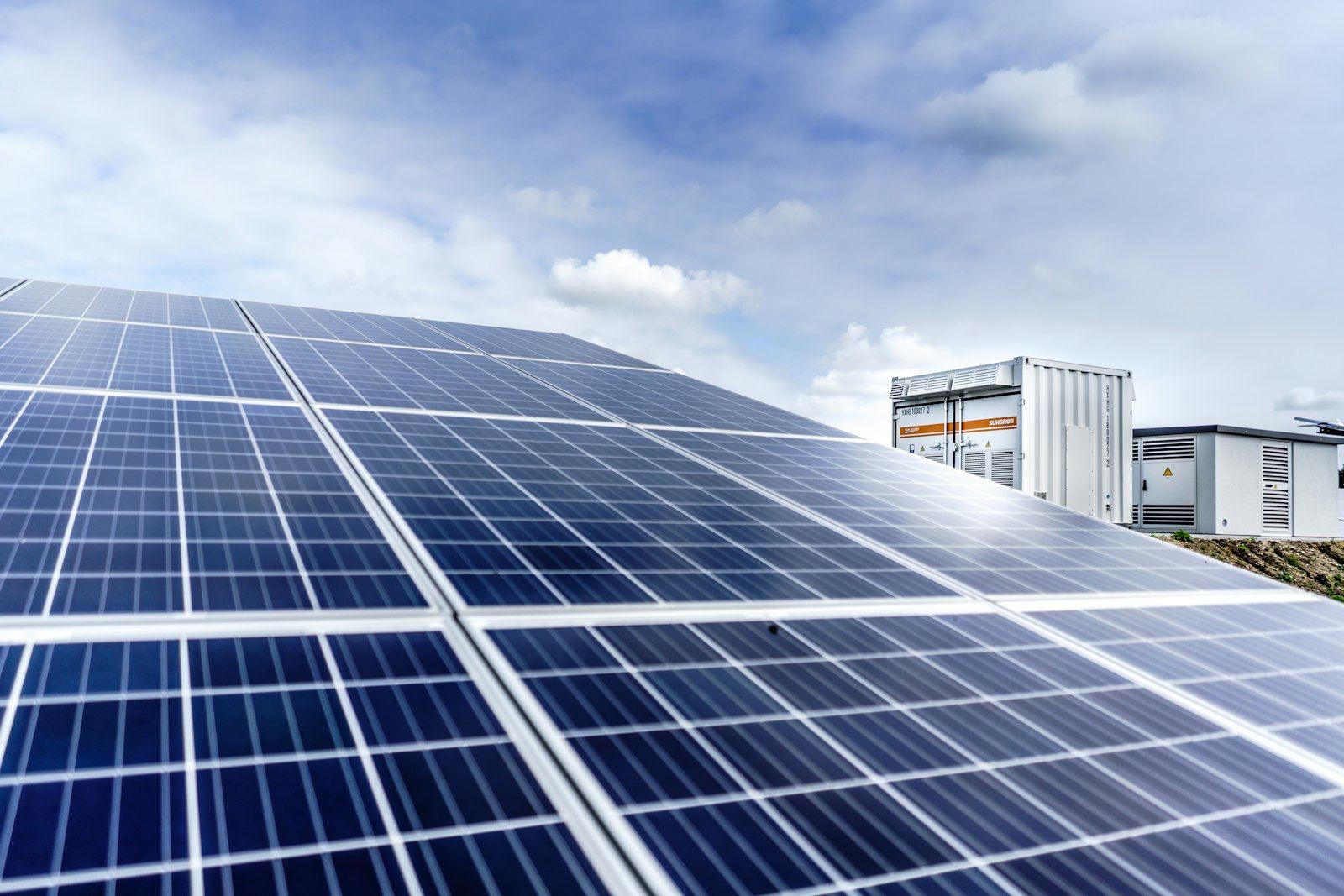
The Global Rooftop Solar Declaration, endorsed first by Australia at the Pacific pre-COP meeting in Fiji in October, aims to double the number of homes with rooftop solar from around 150 million to 300 million by 2030. It is explicitly voluntary and non-binding. Its focus is households, though TaiyangNews reports that about a fifth of the rooftop systems installed today sit on small commercial and community buildings.
For warehouses, distribution centres and factories, the attention is a prompt to look again at distributed energy: solar, batteries, energy management and more flexible demand. Whether it pays depends on the roof, the tariff, the load profile and the cost of capital. Judge it on total return, as you would any other investment, rather than on carbon avoided alone.
Finance is still the sticking point
At COP30 countries called for efforts to at least triple adaptation finance for developing countries by 2035. How that happens is still contested. UNEP estimates developing countries will need around $305 billion a year by 2035 to adapt, and that even a tripling would cover only 20 to 29% of that need.
A similar gap appears inside mid-sized companies, though on a much smaller scale. A project which cuts energy cost and emissions can still fail to get approved because the upfront spend is large, the payback is uncertain or something else is more urgent. The projects that get funded usually arrive with credible operating data, a realistic implementation plan and a cash case the finance director recognises as their own.
What to watch, and where to start
Supply chains sit where energy, transport, industrial competitiveness and climate risk meet. Changes in energy systems shift manufacturing costs, freight economics and which suppliers are competitive. Climate disruption adds risk to infrastructure, stock availability and delivery reliability.
On 11 November UNCTAD and the Standards and Metrology Institute for Islamic Countries host a roundtable on sustainability standards in supply chains. UNCTAD's own briefing names a problem many suppliers will recognise: fragmented standards, overlapping certification schemes and compliance costs fall hardest on SMEs and producers in developing countries. Progress on mutual recognition and aligned assurance would make traceability cheaper for everyone in the chain.
The presidency has also set a goal to halve the growth in global waste by 2035, which brings resource efficiency and reverse logistics into the conversation. Nothing agreed so far creates new circularity obligations for UK businesses. Cutting production scrap, filling packs better and recovering value from returns and surplus stock already pays in many operations, and that is reason enough to do it.
For the next quarter, we would recommend reviewing your energy exposure, supplier concentration and climate vulnerability, and adding them to the way you assess suppliers and lanes, next to price, lead time and quality. Then pick the one or two decarbonisation projects with the clearest cash return, and build the case properly using your own operating data.
At Waterfront Ventures we help mid-sized businesses with decarbonisation, supply chain design and building circular operations. If you're working through any of this, we'd love to hear what you're doing, so do get in touch.
- UNFCCC: COP31 Presidency sets new targets for electrification, waste and resilient cities (June 2026)
- Down To Earth: The global electrification agenda: low-hanging fruit, with high-hanging costs that must be addressed
- Euronews: 'The transition is inevitable': Brazil releases first global roadmap for phasing out fossil fuels
- pv magazine: Australia backs goal of 150 million new rooftop solar systems globally by 2030
- TaiyangNews: Australia backs global 300 million rooftop solar homes goal
- UNEP: Climate Live Feed, from Paris to Antalya
- UNCTAD: COP31 side event: Building sustainable and resilient supply chains, the role of sustainability standards
More from Waterfront Ventures.
Why we built a supply chain group, not a consultancy
Advice is cheap to produce and expensive to act on. We built Waterfront so the people who design the change also carry it through.
Read the article →
Profit and sustainability aren't trade-offs; they're design constraints
Treat carbon and waste the way you treat cost and service: as design principles and limits, set at the start and clearly priced in pounds.
Read the article →
What mid-sized businesses need that big consultancies don't give them
Common questions from owners, investors and finance directors of mid-sized firms about outside help, answered plainly.
Read the article →Follow us on LinkedIn.
Occasional insights from Waterfront Ventures. New articles, tools and what we are seeing across supply chains go on LinkedIn first.